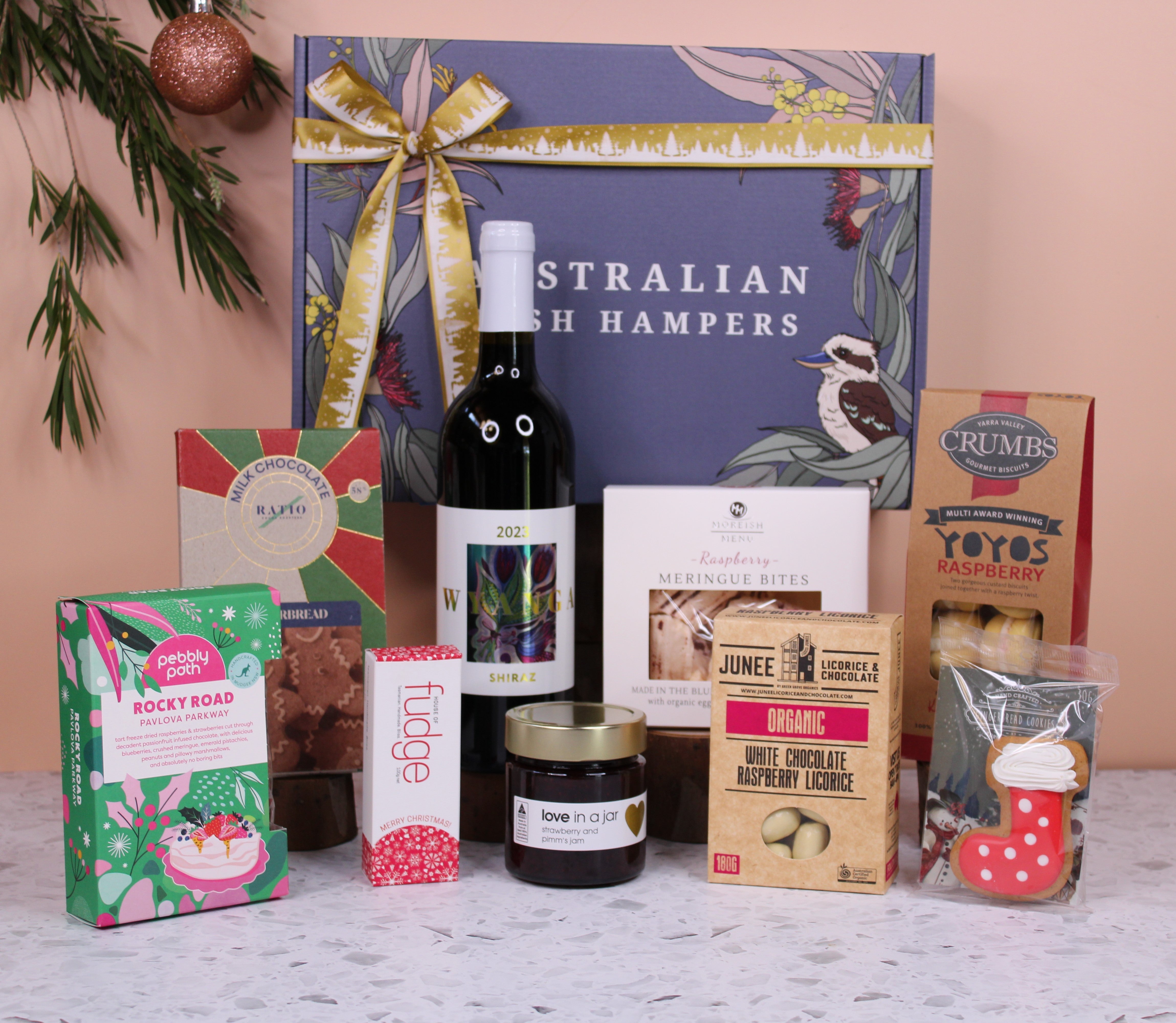
Gift baskets are the gift‑giving equivalent of a well‑planned surprise party—packed with goodies, wrapped in charm, and ready to delight. But when the recipient has dietary restrictions, the stakes rise. A basket that’s a culinary crime scene can turn a heartfelt gesture into an awkward apology. This guide will walk you through the steps of how to ensure gift baskets meet dietary restrictions so you can give with confidence and a touch of flair.
Understanding Dietary Restrictions
Before you even think about the first almond‑shaped chocolate, you need to know what the basket’s future owner can and cannot consume.
Common Restrictions
- Nut allergy – the most frequent and potentially dangerous restriction. Gluten‑free – for celiac disease or gluten sensitivity. Lactose‑free – dairy‑intolerant or vegan preferences. Soy‑free – another common allergen. Halal / Kosher – religious dietary laws.
Reading Labels
A quick glance at a product label is like reading the back of a mystery novel—there are clues you must not miss. Look for:
- Allergen statements such as “Contains peanuts” or “Made in a facility that also processes tree nuts.” Certifications (e.g., “Certified Gluten‑Free”). Ingredient lists that reveal hidden sources of allergens.
Planning Your Basket
A well‑planned basket is the foundation of a safe gift. Think of it as a carefully choreographed dance: each step must be in sync.
Choosing a Theme
- Seasonal – pumpkins for fall, citrus for spring. Health‑focused – a “wellness” basket with herbal teas and oat‑based snacks. Luxury – artisanal cheeses (if allowed) and fine chocolates.
Ingredient Research
Create a spreadsheet or checklist that includes:
- Product name Allergen status Source (local vs. imported) Shelf life
This is your roadmap; it keeps you from inadvertently slipping in a forbidden item.
Sourcing Safe Ingredients
The quality of your basket hinges on the reliability of your suppliers. Treat this step like a vetting process for a new roommate—trust but verify.

Supplier Communication
- Ask for detailed ingredient lists – don’t rely on generic “nut‑free” claims. Request allergen control documentation – many reputable vendors provide this. Confirm cross‑contamination policies – especially for gluten‑free items.
Certification Checks
- Look for third‑party seals – e.g., “Certified Gluten‑Free by the Gluten‑Free Certification Program.” Verify certifications – check the issuing organization’s website to confirm authenticity.
Assembling the Basket
Now that you’ve gathered all the right pieces, it’s time to build the masterpiece. Think of it as assembling a jigsaw puzzle where every piece must fit perfectly.
Cross‑Contamination Prevention
- Use separate cutting boards for different items. Wipe surfaces between handling different foods. Store items in separate compartments within the basket if possible.
Labeling & Documentation
- Attach a small card with the basket’s allergen information. Include a note: “All items have been vetted for [specific restriction].” If you’re sending it digitally, consider a PDF attachment with the same details.
Final Touches & Presentation
Presentation is the icing on the cake—literally. A visually appealing basket can distract from potential mishaps, but it’s also a chance to reinforce safety.
- Use clear, non‑opaque packaging so the contents are visible. Add a personal note that acknowledges the recipient’s dietary needs (e.g., “Enjoy these treats, carefully selected for your gluten‑free lifestyle!”). Include a small gift card for a local specialty store that offers allergen‑friendly options.
When Things Go Wrong: Quick Fixes
Even the most meticulous planners can encounter a hiccup. If you Discover more here discover a mistake after shipping, act swiftly.
- Contact the recipient immediately—apologize and offer a replacement or refund. Provide a list of alternative items that meet the restrictions. Offer a discount on future orders as a goodwill gesture.
Anecdote
Last year, I sent a holiday basket to a friend with a severe nut allergy. I had double‑checked every label, but the “nut‑free” almond butter slipped through because the supplier’s label was misleading. Local hampers online The friend called me in tears, and I spent the next two days sourcing a replacement. It was a costly lesson, but it taught me that how to ensure gift baskets meet dietary restrictions requires relentless attention to detail—and a backup plan.
“The Perfect Gift Awaits”
“Food is a universal language, but it also has its own dialects,” says renowned chef and nutritionist Dr. Maya Patel. “When you speak that language correctly, you’re not just giving a gift—you’re showing respect.”
So, as you gather your ingredients, remember that a safe gift basket is more than a collection of treats; it’s a promise of care. By following these steps—understanding restrictions, planning meticulously, sourcing responsibly, assembling with caution, and preparing for the unexpected—you’ll ensure that your gift is both delightful and safe.
The next time you think about giving a basket, picture it as a carefully balanced scale: the weight of each item must be weighed against the recipient’s dietary needs. When you get that balance right, the gift will not only taste good but also feel right. Happy gifting!